

News
-
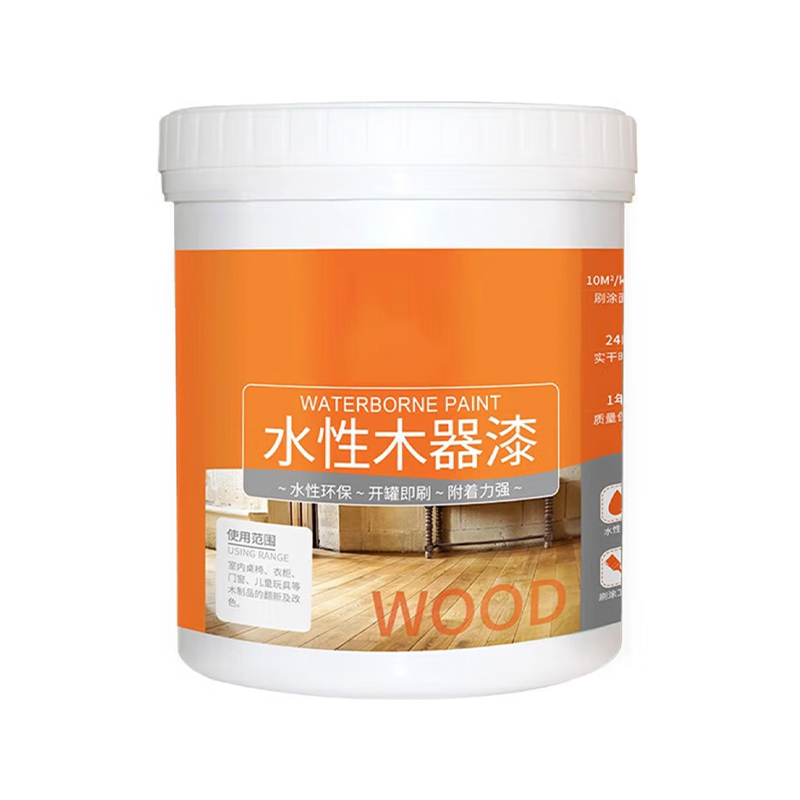
How to Apply Ready-to-Use Waterborne Wood Paint?
Applying ready-to-use waterborne wood paint is a straightforward and rewarding process that allows both professional craftsmen and DIY enthusiasts to achieve a high-quality, environmentally friendly finish.
Learn More2026-06-02 -
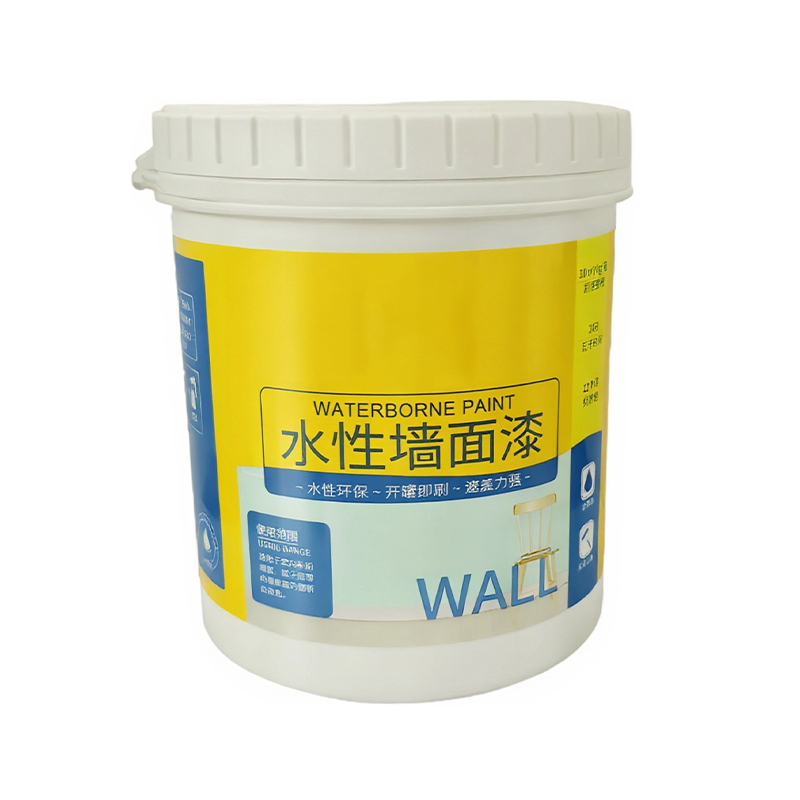
How to improve the ease of application and reduce manual mixing errors in ready-to-use water-based wall paint?
In the field of modern architectural decoration and interior design, water-based wall paint is widely used in residential homes, commercial spaces, and public buildings due to its advantages such as environmental friendliness, safety, low odor, and ease o
Learn More2026-05-26 -
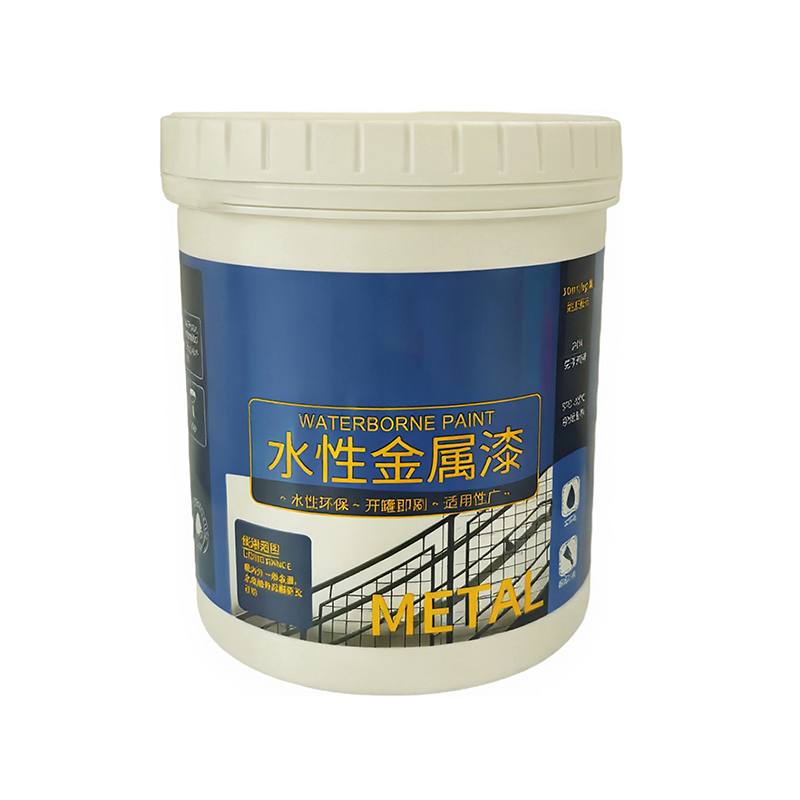
How can water-based metallic paint enhance film density and improve corrosion resistance in waterproofing and anti-corrosion applications?
Water-based metallic paint, with its advantages of environmental friendliness, low VOC emissions, and convenient application, has gradually become an important choice for waterproofing and anti-corrosion coatings.
Learn More2026-05-20 -
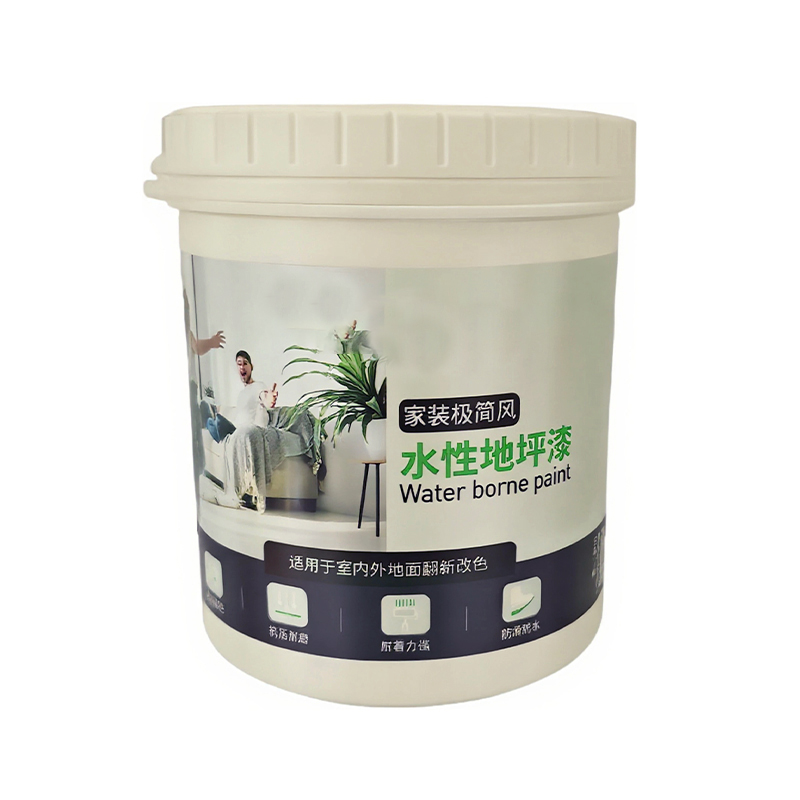
How can water-based floor paint balance high coverage with a natural decorative effect in residential and commercial floor decoration?
With increasing emphasis on environmental protection, water-based floor paint has gradually become an important choice for floor decoration due to its advantages such as low odor, low VOC emissions, and convenient application.
Learn More2026-05-12 -
How does the adhesion of water-based floor paint affect the long-term stability of the paint film?
In the modern field of floor decoration and protection, water-based floor paint is widely used in homes, commercial spaces, and industrial sites due to its environmental friendliness, low odor, and immediate application.
Learn More2026-05-09 -
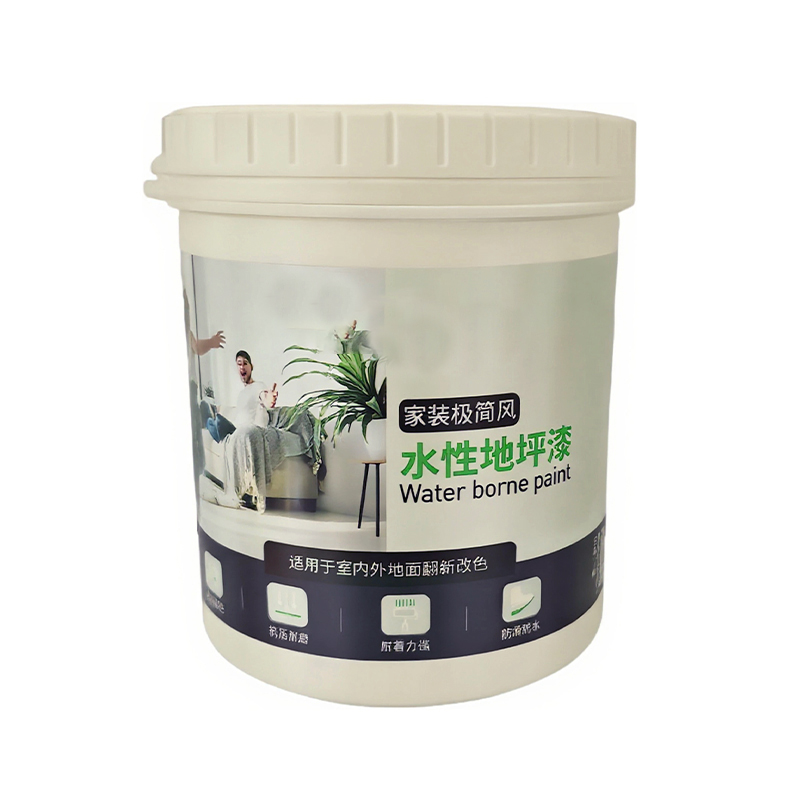
How does water-based floor paint redefine the standards of floor coatings with its environmental friendliness and high performance?
In the fields of home decoration and industrial coatings, the floor, as the "base" that supports daily activities and spatial aesthetics, directly impacts the health and user experience of residents when choosing its coating materials.
Learn More2026-04-27